You sort your recyclables, put them in your curbside bin, and they get picked up—then what? From sorting and processing to bundling and shipping, recycling is a detailed operation that plays an increasingly important role in taking care of our environment and keeping material out of the landfill. But what exactly happens in a recycling facility?
What happens when my recycling is collected?
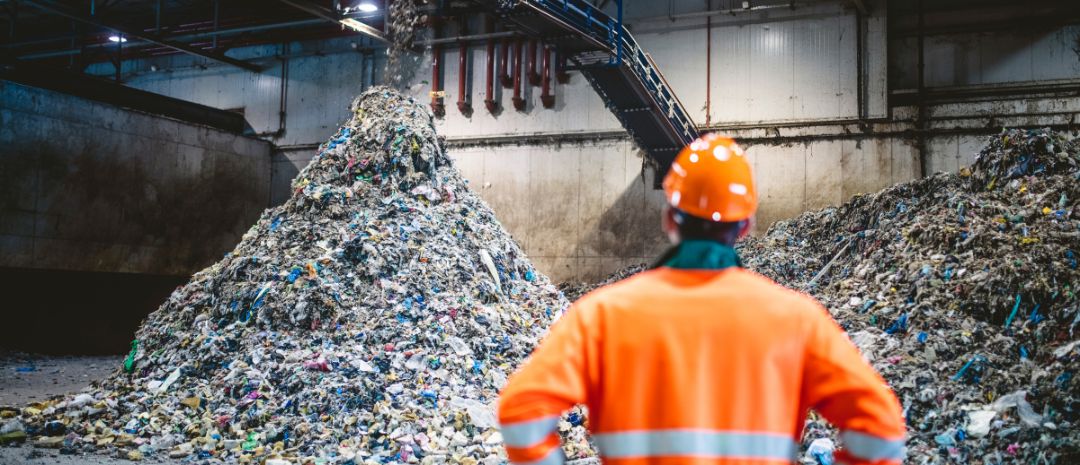
In Chilliwack and the Fraser Valley, your household recycling is collected and taken to a receiving or Material Recovery Facility (MRF). Any potential contaminants and non-recyclable materials are removed to prevent damage to equipment and ensure smoother processing. From there, materials are loaded onto conveyor belts and detailed sorting and separating begins.
How is recycling sorted?
Modern processing facilities use a combination of machinery and manual labour to separate materials efficiently. As items move along the conveyor system, different technologies help sort them by type. Cardboard and paper are pulled from smaller items; magnets pull out metals like steel; and optical scanners identify different types of plastics based on how they reflect light.
Even with huge technological advancements, people still play a crucial role in overseeing how recycling plants operate. Workers monitor sorting lines, ensure materials are flowing correctly through the system, and remove contaminants, like plastic bags, food waste, and non-recyclable materials that can lead to quality control issues and batches of recyclable materials being rejected.
What happens when recycling is bailed and sorted?
Once materials are properly sorted, they’re compacted into large, dense bales that can be transported more easily. From the receiving and material recovery facility, materials are taken to specialized plants, locally or in other regions, where they can be transformed into new products.
What do recyclables become after processing?
At specialized facilities, recyclable materials undergo a new lifecycle. Paper and cardboard are turned into pulp that can be used for product packaging and new paper goods; plastics are turned into pellets that can be used to make a wide range of items including new containers, car parts, and even textiles; and metals like aluminum and steel are melted down and reused in cans, building materials, and other items.
What role do I play in recycling?
Recycling is more than just putting items in a bin. Taking the time to learn what’s involved, how to clean and sort your items, and following guidelines for your city or municipality can make a huge difference in supporting the entire process, ensuring successful recycling at every pickup.
Did you know our team at Valley Waste can help with your recycling needs? Contact us today to learn more and get started.