If your home uses a septic system, understanding how it works and how to care for it is essential. When functioning correctly, septic systems are a quiet part of the background. But when something goes wrong, repairs can be expensive, disruptive, and stressful. Asking the right questions about your septic system before there are issues is the key to extending the life of your system and protecting your property. Whether you’re a long-time homeowner or new to living on a property with a septic system, these three questions are key to septic system care.
1. Do I know where my septic system is and how it works?
One of the most important steps in understanding your septic system is knowing its location and basic components. Septic systems typically include a tank that separates solids from liquids and a drain field that safely disperses treated wastewater. However, many homeowners aren’t sure where these areas are, or where access points are located, which can make maintenance and repairs more difficult and time consuming. Learning where these parts are on your property not only saves time, but ensures you avoid accidental damage. Driving heavy vehicles over the drain field, planting deep-rooted trees nearby, or digging for landscaping projects can all cause serious problems if the system’s location isn’t clearly identified.
Taking the time to learn how wastewater flows through your system, what each component does, and where it’s located allows you to make informed decisions about how you use and maintain your property—a simple step that can prevent costly mistakes down the road.
2. When was my septic system last inspected or pumped?
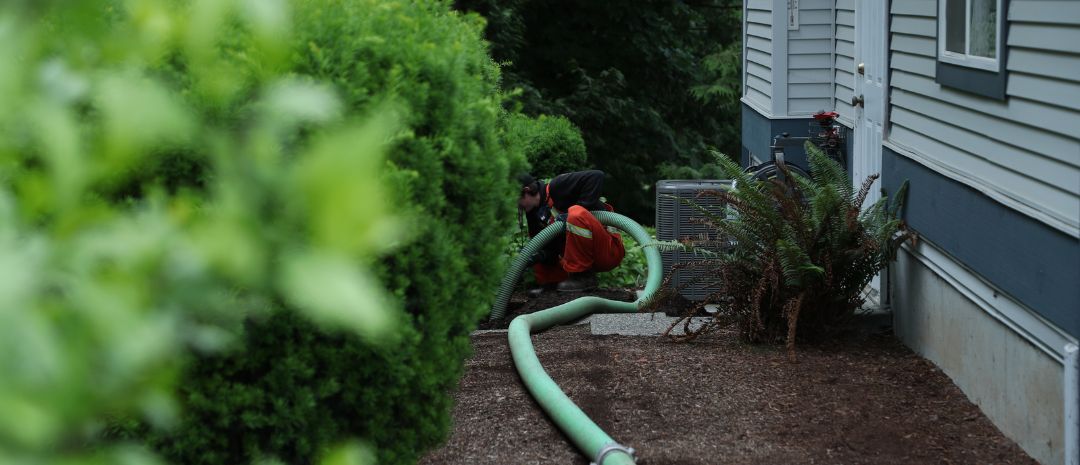
Septic systems require maintenance. Regular pumping and inspections are essential parts of septic system care but can often be overlooked until it’s too late. In general, most septic tanks should be pumped every three to five years, depending on the size of the household and water usage.
If you don’t know when your system was last serviced, it’s a good idea to schedule an inspection. Warning signs such as slow drains, unpleasant odours, gurgling pipes, or pooling water in your yard should never be ignored. These issues may indicate that the tank is full or that there’s a problem with the drain field. Knowing when to call a septic professional can make the difference between a simple service appointment and a major repair and keeping a maintenance record can help you avoid future guesswork and be an asset if you sell your home in future.
3. Am I taking steps to ensure my septic system functions properly?
Your everyday habits can have a big impact on septic system health. Excessive water use, flushing non-biodegradable items, or pouring grease and harsh cleaners down the drain can overload or damage your system over time.
To better care for your septic system, make an effort to conserve water when washing dishes or doing laundry and be mindful of what you flush or put down the drain. Only human waste and septic-safe toilet paper should be flushed, and household products should always be checked to ensure they’re compatible with septic systems.
Making small changes in your daily routines can significantly reduce the strain on your system and help it operate effectively for years to come.Your septic system doesn’t require constant attention, but it does require awareness. By understanding how your system works, staying on top of maintenance, and making thoughtful choices in your daily habits, you can increase its longevity and avoid unnecessary stress. Plus, our team at Valley Waste is always here to help. Contact us today to learn more about septic services and keep your system running smoothly.